


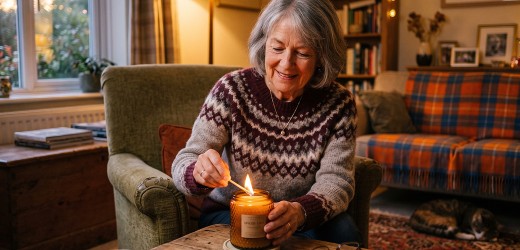
As cooler days arrive, scents associated with fall like cinnamon, clove, apple, sage and rosemary may help evoke personal memories, and early research suggests some compounds in sage and rosemary may support aspects of attention and memory. With a few mindful tweaks to your routine, you can create “memory anchors” using seasonal fragrances to make daily life more enjoyable and cognitively engaging.
Because your nose has a direct line to the hippocampus and amygdala, scent is a powerful tool for memory and mood. Consider these fall scents for maximum mental impact:
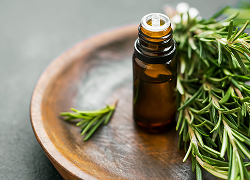 Rosemary and sage: Herbal, woodsy and commonly used in cooking; rosemary is consistently proven to support memory and alertness. Culinary sage also offers a pleasant focus cue.
Cinnamon and clove: These warming spices are commonly used for baking and around the holidays, so warm them up in the kitchen and let the cozy aromas envelope you in comfort.
Peppermint: Heading into the colder months, this scent pairs nicely with cocoa and coffee. Small studies have linked peppermint with greater alertness and task performance.
Cedar, pine and frankincense: These outdoorsy scents promote calm and seasonal abundance, so they are ideal for your evening wind-down and mindful breathing.
Try these simple ways to weave fall scents into your day:
 Morning focus cue: Place a roller or inhaler with rosemary or peppermint near your coffee maker. Inhale slowly two or three times before reading the news, doing the crossword or starting your to-do list. Consistent use will help your brain pair the scent with focused tasks.
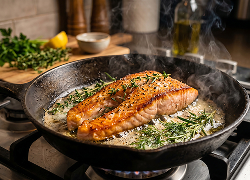
Cooking for cognition: Add rosemary to roasted vegetables or chicken, and sprinkle cinnamon on oatmeal or baked apples.
Memory anchors for medications: Keep a small sachet of cinnamon sticks and whole cloves beside your pill organizer. Briefly inhale as you take the medications. Over time, the scent can become a reliable cue that you’ve completed the task.
Outdoor “scent strolls:” On neighborhood walks, notice fallen leaves, damp earth and conifers. Slow your pace and take three or four mindful breaths. Pair the walk with a simple gratitude practice to enhance emotional well-being.
 You can also try creating cue-based routines to strengthen memory by pairing a specific scent with a specific activity. Called context-dependent memory, this technique helps your brain file information with the aroma. Try these pairs:
- Rosemary + bill paying or calendar review
- Peppermint + language practice or word games
- Cinnamon and clove + journaling or gratitude list
- Cedar + evening reading or phone calls with family
To practice aromatherapy safely, the National Center for Complementary and Integrative Health offers basic guidance on essential oils:
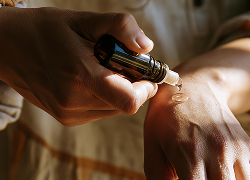
Skin care: If you’re using a topical roller, dilute essential oils properly and avoid broken skin or sun exposure with citrus oils.
 Quality matters: Choose reputable brands and avoid burning synthetic incense if smoke worsens your breathing.
Pets and people: Some essential oils can be harmful to pets. Ensure good ventilation and avoid continuous diffusion. When in doubt, skip diffusers and opt for culinary or sachet-based scents.
Aging Well Starts with Daily Choices
At Envisage, we support older adults who want to age confidently at home with proactive planning, wellness resources, and personalized guidance. If you’re exploring long-term care planning in western Pennsylvania, we’re here to help you design a plan that fits your goals and lifestyle. Schedule a 1:1 conversation today.